Showing posts with label Carolyn Y.'s blog. Show all posts

Monday, November 26, 2018

Breastless and Beautiful--Let Survivors Live a Considered Life

Breastless and Beautiful- Let Survivors Live a Considered Life

Photo by: RTsubin 
Imagine being told you have breast cancer. It’s an early stage of breast cancer, but you still have to get a mastectomy, just to be safe. In fact, it could spread to the other breast. You’ll have to get a double mastectomy now. Would you like reconstructive surgery? We have the best of plastic surgeons here. It’s covered by your healthcare provider. If not, we can give you prosthetics or a cumfie.

According to a study done at Emory University, in the past decade, double mastectomy rates have greatly risen so that the percentage of women over 45 who got double mastectomies in early stages of breast cancer in just one breast rose from 4 to 10. Women in the age bracket from 20 to 44 went from just 11% to 33%.

The Breast Reconstruction Awareness campaign website states that, “breast reconstruction is a physically and emotionally rewarding procedure for a woman who has lost a breast due to cancer or other condition…the creation of a new breast can dramatically improve your self-image, self-confidence and quality of life.”

Did you know only 25% of women who have double mastectomies choose not to receive breast reconstruction? Did you also know that only 50% of women who receive single mastectomies choose not to receive breast reconstruction? Why are you choosing to not get the surgery? You should get surgery. Angelina Jolie got it. Everyone get its now. In fact, according to the agency for healthcare research and quality, reconstruction surgery rose by 62% between 2009 and 2014. Similarly, according to a study published in the Journal of Clinical Oncology, not only has reconstruction in all women who receive mastectomies increased from 46% in 1998 to 63% in 2007, but these increases are shown in specific regions of the United States such as Nebraska, Missouri, Colorado, Iowa, and South Dakota. So now it becomes everyone in your area is doing it too.
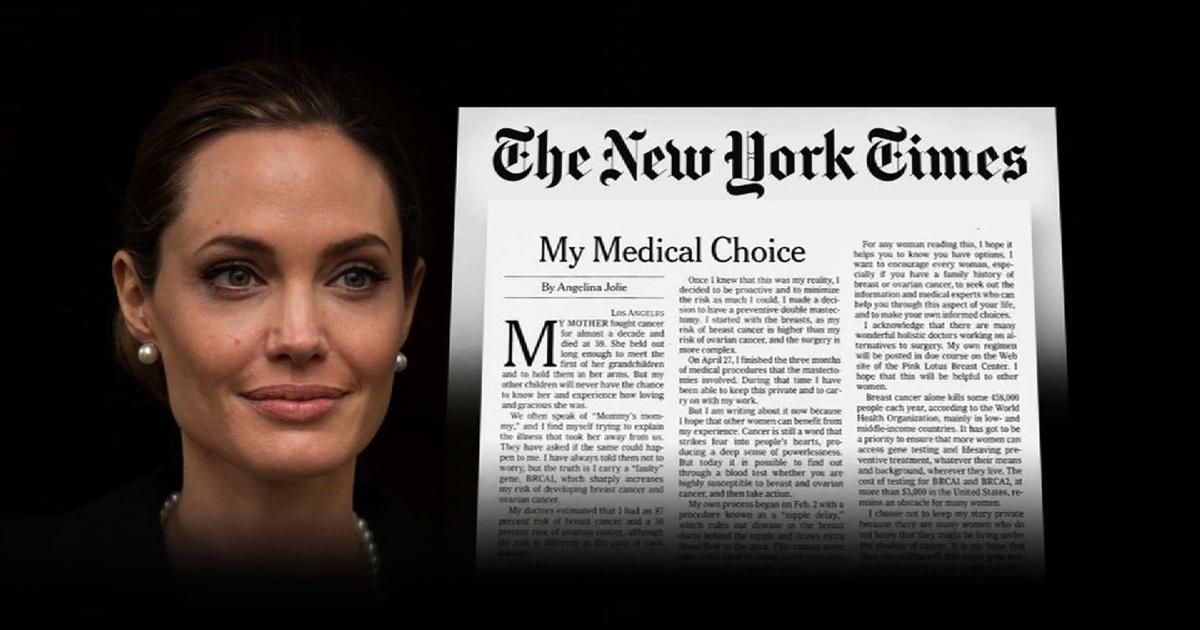
Photo by: PBS NewsHours
Women in America are pressured to receive reconstructive surgery after mastectomies and those that wish to receive flat chests are not considered seriously. Women who wish to receive flat chests need to be taken seriously in their requests to be able to live their considered lives.

Many women enter a doctors office, nervous and fearful. They need advice and guidance from their doctor, but they feel unprepared. One told BuzzfeedNews about it.  “I never knew it was an option not to reconstruct,” says mother of three, Tiffany Ostman.  After getting diagnosed with breast cancer when only 29, and receiving double mastectomies, breast reconstruction, complications with lymphedema, and a torn chest muscle, 10 surgeries after her reconstructive one, Tiffany Ostman decided enough was enough. Her doctor was unwelcoming of her wish for removal of her breasts, but at what point can you push your patient to keep going through more surgeries?  When can you let her decide her own fate?  Her own health? Her own life? The answer should be at the very beginning. It’s her body. It’s her choice.
After Tiffany’s breasts were explanted, she went to a follow up appointment. Maybe she was feeling nervous about her new appearance or maybe she was extremely pleased with it. Either way, her doctor examined her breasts and said, “well you have a little room in there. How would you feel about some implants?” The insensitivity is palpable. Not only was Tiffany not informed of her options, but her decisions were questioned and made a joke of.

Another woman, Kim Bowles, shares another traumatic experience with mastectomies and breast reconstruction. Kim, who had stage 3 breast cancer and is the mother of 2 young boys, always struggled with having very large breasts. 36 HH. An athlete, she often felt as though her breasts really held her back. She couldn’t move the way she wanted to with them. When she was diagnosed with breast cancer, Kim tried to look on the positive side. She tried to take control of the situation and make it work. She did her research on support groups online and other resources such as books. She heard others stories. She listened intently, and she tried to learn the most she could. Ultimately, she decided she wanted to be flat chested. No breasts. She then presented 6 pictures to her surgeon, detailing what she wanted, she brought her husband as an eye witness, and she wrote a letter for the doctor. She had done what she was supposed to do.
Photo by: Cosmopolitan

Imagine her surprise when she starts going under and hears her surgeon say he’s going to leave a little room in case she decides to change her mind later. Imagine her feeling when she wakes up to find little pockets on her front. The horror. She gets nauseous every time she looks at her breasts.
Of course, Kim tried to fight back. She contacted the hospital and reached out to her surgeons. She protested shirtless in the lobby of the hospital. They kicked her out. After media started getting involved, the hospital claimed the surgeon left a little bit extra for mobility of her arms. Deanne Attai, M.D., is a breast surgeon located in California. She states, "that’s bullshit. Leaving the excess skin—it’s no easier to move the arms either way.”

Kim has told her story on the Today Show, and she defines her situation as a result of “flat denial.” It resonates with many women.

One of these woman is BethAnne King who chose to go flat following the footsteps of her grandmother. Her doctor was also non compliant though. She received lumps in odd places and felt completely humiliated when she awoke from her surgery and examined her breasts. She posted on a Facebook support group, known as Breastless and Beautiful, about her disappointing results from a mastectomy, and she now manages the group to support and advise other women as they choose to go flat.  She took action just like Kim did. She fought back. Not every woman can have the courage to do this though after such a vulnerable experience.

For many women, choosing to have reconstructive surgery or not to have reconstructive surgery is no easy decision to make, but they have to make it on their own after resources and information is given to them. Women need to be given all the options before they make the decision.  Doctors need to be upfront with patients about their abilities and experiences, and they need to work with the patient’s wishes if they choose to provide her with care. The society we live in values doctors, but they need to value women’s wishes too.  Women need to receive the care they need to live their considered lives without assumptions brought to disease and other women’s bodies, concerns about worth tied to their partner and desirability, and protection of other people's confidence and insecurities. The pressure to receive reconstructive surgery after mastectomies from trusted physicians needs to stop. Those that wish to receive flat chests should be respected by their physicians. Women need to live considered lives, and they cannot do this with others projecting their beliefs of what a woman’s body should be, especially their doctors.

For more information about living a considered life, please see Audre Lorde's novel The Cancer Journals. 

Sunday, November 11, 2018

Who pays for birth control?

Who pays for birth control?

It's about equal access to care.

Photo by: American Life League
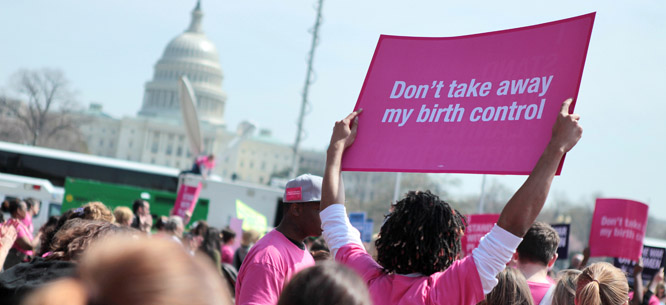
Women need access to birth control from their employer for there to be equal access to care.

This past week American citizens turned back the clock just one hour while the Trump administration turned back the clock several years for us all as well. 

On November 7th, 2018, the Trump administration wrapped up a policy that would revise the Obamacare birth control mandate made in 2012. The Affordable Care Act demanded that most employers' health plans must cover birth control at no charge to their employee with few exceptions made. However, over time, several employers have also chosen to opt out  of providing such coverage for religious or moral causes, and the Trump administration has been allowing it. Now, the entire policy has been revised, and in two short months, the Departments of Health and Human Services states that 200 employers with religious or moral objections will now be exempt. 

Women need access to birth control from their employer for there to be equal access to care. 

What the Trump administration is doing is putting the power of making the decision about who gets birth control into the hands of the employer rather than letting the individual women decide. 

To start, contraception options vary by cost and so does insurance coverage. In the past, most employers chose to give women the state minimum requirements such as the pill. If a woman wanted a more expensive birth control method, such as the IUD, she had to pay for it and shop around herself. However, not every woman had these funds. Many low income women were stuck with what they got. This is may be the pill, which has a failure rate of 9%. But if the federal government does not demand the employer gives any birth control, then the employer will be more likely to simply choose not to give their employees birth control, and this may vary from women to women to effect them all uniquely. This is worse than giving women the bare minimum. This is not giving women anything. Which means what? If you can't afford it, you don't get it. Which means what? An abortion? How is this the preferable option?

Sexual health is part of your overall well being, and many women take birth control for reasons outside of lifestyle choices. According to CNN, Rachel Janargin, 30, had her ovary removed because of endometriosis. She now takes birth control to keep her disorder in check, essentially so it does not spread. This is part of her necessary healthcare. Rachel should not have to tell her employer that she needs birth control because of her disorder. That should be kept between her and her doctor. However, an employer can now choose to deny Rachel of her necessary birth control because of the rollback. 

Rachel states, "I deserve to have affordable medications for a condition that I have no control over. I have always been an advocate for access to health care, and it's frustrating that I may have to fight or pay more for health care than I already do." But there are issues other than just endometriosis such as ovarian cysts that effect women all over the country. They need access to birth control. It's not a luxury. It's the basics.

Furthermore, the employer should not have the choice to decide whether their employees should get birth control or not because many women experience severe pain as a result of cramps. They take birth control to manage that. Jennifer Lawson, who also spoke with CNN, is a woman who experienced this, stating in an email that  her cramps were "so severe they made me physically sick. A doctor put me on birth control pills to help and it made a big difference. I still had cramps and nausea but they were finally manageable to the point that I wasn't missing days of school and falling behind in life." The thought of a woman having to tell her employer that she experiences extreme pain can cause serious discomfort and embarrassment for her in that moment and in the future. She shouldn't have to. It's none of their business. If the employer is a male, then he may have a harder time understanding what she may be feeling and her needs. If the employer needs to cut some funds, he may not hesitate to cut on her healthcare. Why not just stop covering her birth control? What's the worst that could happen? It's legal now. This gives unequal access to care because some women may have employers who understand the circumstances women are in and some may not. It's not fair to women who are not employed by those who have experiences with women with cramps. This is the basics.

On another note, the employer should not have the choice to decide whether their employees should get health care or not because there are racial disparities in this patriarchal society. Specifically, Rewire.News reports that only 6% of women of color have used IUDs in America because of its high cost while 78% have used the pill. Many women of color cannot afford to pay for contraception on their own. They earn an average less than white women, and they make up 16% of female minimum wage workers. For them, birth control could be a month of rent. It should also be noted that black women have maternal mortality rates three times higher than white women. When black women are denied access to birth control, their lives are risked. If racism is such a part of this country, you can believe that black women will be given poorer access to birth control when the employer gets to decide if they get it or not. This rollback gives a license to discrimination. Giving them access to birth control is the basics to healthcare.

Next, women need access to birth control not dependent on their employers personal religious or moral beliefs because objections to premarital sex is unrealistic. Whether the employee believes that premarital sex is morally or religiously wrong, it is not their place to force their thoughts on others. In fact, 9 out of 10 women will use contraceptives sometime in their lives. There is religious freedom in this country, but there is no need for religious tyranny. One persons beliefs do not need to interfere with anothers right to healthcare. 

With this all said, women need equal access to birth control because all women need autonomy over their body. They have the right to choose with informed consent what they put into their bodies and how they treat it. They have the right to take birth control. This is reproductive justice.  With Donald Trump also cutting back funding on resources women can turn to such as Planned Parenthood, according to the Center for American Progress, the options for access to contraception narrow even more. 

Photo by: Pablo Martinez
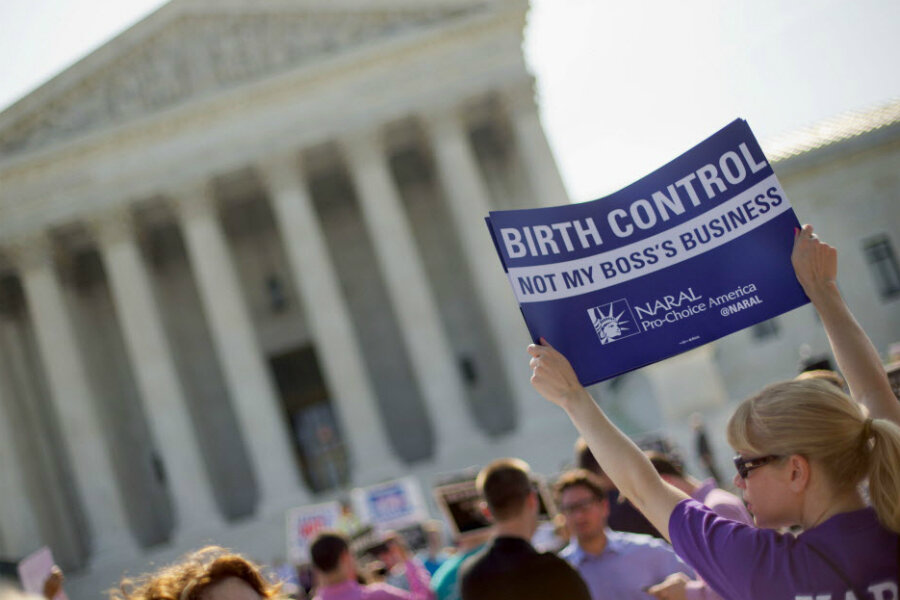
In short, women need access to birth control from their employer. Women have limited biopower as it is, and this rollback issued by the Trump administration perpetuates patriarchal control over women's bodies and lives. It curtails the sexual freedom of women, discourages patient privacy, gives license to discrimination, instills religious tyranny, and narrows access for women even more than what has been done in the past. Women's reproductive health is part of their overall health. Giving them birth control is the minimum if they choose it, and this country needs to re-evaluate how those outside of health of women and their daily lives control it for a reason. Who pays for my birth control? As many women have already stated, it's not my boss's business.

For relevant course readings, please see: 
Takeshita, Chikako. The Global Biopolitics of the IUD: How Science Constructs Contraceptive Users and Women's Bodies. The MIT Press, 2012.

Thursday, October 11, 2018

Well I have zero-tolerance for what you're doing to these women


Well I have zero-tolerance for what you're doing to these women

Immigrant Women's Health in ICE Detention Centers

Photo by Michael Goulding via ZUMAPRESS.com
A 2-year old died. Did you know that? Actually, she wasn't 2 yet. Almost. Six months shy.
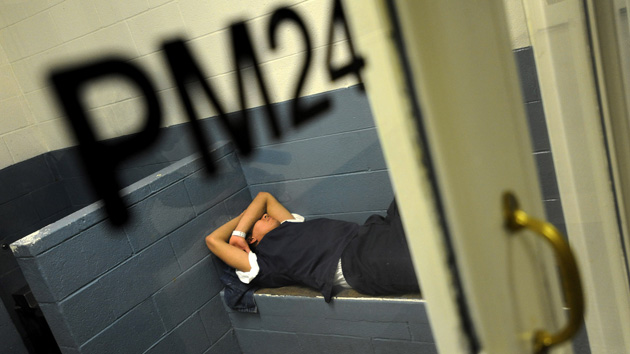
Her name was Mariee Juarez. She was brought to America by her mother, Yazmin, who had been hoping to give her daughter the best chance she could get in this world. They came from Guatemala, often considered the Murder Capital of the World, across the Rio Grande in March and were put into an Immigration and Customs Enforcement (ICE) family detention center in Texas. Briefly after being put into the detention center, Yazmin and her daughter were forced to share a room with other mothers and children who were sick, and Mariee grew quite ill. A temperature of 104.2 degrees, nausea, diarrhea, weight loss...

Of course, Yazmin sought medical assistance, reports The Texas Tribune. However, she was turned away multiple times at the center's health clinic and at best was given a balm that was not safe to use on her child because she was so young. She was promised the chance to see a physician, but this never happened. When Yazmin was released from the detention center 2 days later with her daughter, she immediately sought more medical help. For 6 weeks, Mariee fought hard, but she died with a collapsed lung after visiting 2 different hospitals and likely suffering extreme pain in her final moments.  Mariee lost her life. Yazmin lost her daughter. Did the other detainee who got Mariee sick also die? What might have they gone through? What has Yazmin gone through after the loss of her daughter? What else do immigrant women in detention centers have to go through?

Detained immigrant women have access to substandard medical care, and this needs to be corrected. In addition to the trauma of detention centers, women face poor conditions in these facilities and their health needs are met with minimal care. Their experiences extend far beyond the scope of this blog post, but there are few widespread themes which must be addressed.

First, detained immigrant women can rarely obtain menstruation kits. They often feel humiliated by guards and too ashamed to even ask for them. Even if women have the items in their personal belongings, they are often unable to retrieve them when necessary. No facilities offer female hygiene products to their detainees, and several facilities do not even have them. Before being put into a long-term detention center, women are often held at CPB for roughly 72 hours. Conditions are no better here, says the Human Rights Watch:

“‘There weren’t any sanitary napkins in the first place I was held,’ Melanie G. said of the holding cell in California where she spent 26 hours. Dalia C., a 30-year-old Honduran woman, told us that the El Paso holding cell where she spent three nights in June 2017 did not make sanitary napkins or other hygiene products available to menstruating women.” Women do not have access to feminine hygiene products and are forced to deal with their menstruation on their own while detained by CPB and ICE.
Photo by Mike Blake via REUTERS


Second, detained immigrant women who are pregnant often face a worse fate. They are rarely provided with a suitable environment for their condition or a nutritious diet to support their child, and they are often neglected or mistreated.


According to Huffpost, Pagoada is a 32-year old who moved from Honduras, to El Salvador, to finally the U.S. After watching the murder of her brother and father, Pagoada came to the U.S. in hopes of protecting and happily raising her unborn child, similar to Yazmin from before. She was at least two months pregnant when she came over, and in her first night in detention, was forced to sleep on the floor of a room filled with other women. She woke up bleeding and in pain the next morning. She complained of her pain and worried for her baby to anyone she could in the hopes of being able to see a doctor soon. However, it took three days for her to get the chance to do this. Then, it took another three for the doctor to tell her what she feared she already knew--she had lost the child. It was too late. She was given no pills to manage the pain afterward.

Another woman who spoke up preferred to remain anonymous, referred to as “E,” was four months pregnant when she traveled from El Salvador. She was placed in a detention center in America and woke up one morning bleeding excessively, and she, like Pagoada, begged for medical assistance.

“‘An official arrived and they said it was not a hospital and they weren’t doctors. They wouldn’t look after me,’ she told BuzzFeed News, speaking by phone from another detention center, Otay Mesa in San Diego. ‘I realized I was losing my son. It was his life that I was bleeding out. I was staining everything. I spent about eight days just lying down. I couldn’t eat, I couldn’t do anything. I started crying and crying and crying.’” She lost the baby, and she gave up her fight. She was deported back to El Salvador.

Miscarriages due to substandard medical care have been known to occur at 6 different detention centers in Texas, California, New Mexico, and Arizona. In April 2018, there were 35 pregnant women in ICE custody. To make matters worse, Buzzfeed News also reports “a nurse who works with pregnant detainees at clinics operated by Texas Tech University and the University Medical Center in El Paso said the women are ‘almost always’ shackled around their hands and feet, and sometimes around their stomachs [which can cause serious harm to the fetus]. In the past few months, staff at the center have seen at least two women shackled within a few hours of giving birth.”

Miscarriages and injustices are occurring to women who have no one to turn to but our country. They are trapped in these detention centers without help or a voice. They have a lack of access to medical care, and they lose their chance at a happy future in America. It can never be truly forgotten, and their America will always be different from others.

What about issues that don’t relate directly to women’s reproductive system in the detention centers? And what about men in detention centers? The Washington Post reports that a private immigration jail was recently audited by the ICE for denying detainees basic human rights. Several detainees have reported losing teeth from a lack of dental care and being advised to floss with their shoelaces. While there are two dentists at the center, no cleanings or cavities were reported in the past four years. Several detainees were forced to wait weeks or months to see a medical doctor. Specifically, records of men suffering months with congestive heart failure without medical aid are evident. In the past year, there have been 7 suicide attempts in one facility. Overall, there have been 75 deaths since 2010 in immigration prisons, and this past year was the largest of any since 2009. The U.S. has the largest immigration detention infrastructure in the world. Thus, these accounts mentioned so far cannot be the full story.

ThinkProgress reports, “A 2015 Unitarian Universalist Service Committee (UUSC) report found that immigrant detainees are at high risk of re-experiencing past traumas when they are detained, with many reporting symptoms of depression, anxiety, and even post-traumatic stress disorder (PTSD).”
Photo by Thomas Soerenes via AP


In conclusion, detention centers are degrading and abusive atmospheres. They toss aside morals, and they continue to be held to no standard because of the American people's ignorance or indifference. These people deserve more all across the board, but women are disproportionately affected in these circumstances by more than just a lack of reproductive health care. Gender bias leads to inequitable health care and access across the world, and this is reflected in the the experiences of detained migrant women. More accounts which attest to further unacceptable conditions for migrant women can be found in Medical Outcasts: Gendered and Institutionalized Xenophobia in Undocumented Forced Migrants’-Emergency Health Care by Roxane Richter, Ph.D., E.M.T.


Women fleeing to our country are forced into detention centers and met with substandard medical care. These women like Yazmin, Pagaoda, and E suffer everyday, but they deserve much better.

These women have been persecuted everywhere they have gone, and they deserve justice. If the Trump Administration continues to detain migrants indefinitely simply for crossing the border, it must be prepared to provide them with basic necessities like health care. If it is unable to do so, it must abolish the zero-tolerance policy immediately.  The treatment of immigrant women in these detention facilities is a violation of human rights that will forever be a stain on our nation’s history.


Searching For Identity in the Face of Survival: Overcoming Breast Cancer in a Patriarchal Society

Photo Source: https://www.familycircle.com/health/concerns/cancer/is-it-breast-cancer/ Staring up at the lump seen on your mammogra...