Showing posts with label Hope's Blog. Show all posts

Monday, November 26, 2018

Acknowledging the Gap in Health Care: Why Do African American Women die from Breast Cancer more than White Women?


"Black women and white women get breast cancer at about the same rate, but black women die from breast cancer at a higher rate than white women."

-- CDC, 2016

Image result for why do black women die from breast cancer
(2017)
African American women are susceptible to aggressive forms of breast cancer including triple negative breast cancer. Triple negative breast cancer is an aggressive form of breast cancer that often comes back after treatment. Additionally, this demographic has a higher risk of early onset breast cancer. Despite these differences, we approach their preventative care the same as white women, and in doing so, we are failing African American women as a whole. 

According to the CDC, breast cancer death rates are 40% higher among black women in comparison to white women. Between 1999 and 2013, black women had lower rates of cancer diagnosis, but had higher rates of dying from breast cancer than white women. The introduction of regular mammogram screenings have since lowered the rates of incidence and deaths among white women, however black women continue to suffer. 

It is recommended that women ages 45-54 should get regular mammogram screenings every year. Once a woman reaches 55 and older, they are recommended to get a mammogram every 2 years. Almost every woman has heard it before, typically through their primary care doctors or older family members who are currently receiving the yearly service. However, since African American women are known to be susceptible to early onset, why does this information not influence the general healthcare recommendation for breast cancer preventative care? Once again, our health system's regulations are created in reference to the white body, and completely ignores the African American demographic. African American women should receive mammograms at a younger age then what is recommended for the general public, and yet there is never communicated. 

Image result for why do black women die from breast cancer
Incidence Rates, 2015
Aside from healthcare recommendations not taking into account the increased risk of black women's early onset breast cancer, there is also differences in the quality of mammograms African American women receive in comparison to white women. As a whole, African American women typically receive lower quality mammograms when compared to white women. Additionally, there is also a decrease in follow up appointments and care when African American women receive abnormal mammogram results. As a direct result, African American women tend to have delays in diagnosis and treatment of breast cancer. As we all know, early detection and treatment plays a vital role in survival rates of breast cancer-- so I must question why do we not put a larger emphasis on quality, preventative care for African American women? I believe this is another instance in which the medical care system values African American women's health less than white women, carrying forward an ideology of oppressing a minority. 

Image result for mortality breast cancer by race
Mortality Rates, 2015
Moreover, black women from lower socioeconomic statuses have little to no access to affordable healthcare. In turn, African American women's biggest barrier to care is lack of health insurance coverage. Insurance provides access to standard treatments and high quality cancer care, including preventive care and early detection services. Without it, women are left to fend for themselves, and face astronomical, unaffordable health care prices. I believe that if quality, affordable healthcare was available to everyone equally (regardless of their gender, socioeconomic status, or race) breast cancer death rates among black women would decrease.  


So why don't these women without insurance seek care at non-profit health clinics? 

Image result for mobile mammogram vans
(2015)
Nongovernment organizations such as Planned Parenthood often carry the misconception that they offer mammogram services. However, while Planned Parenthood offers breast examines and other vital women's health services, they are not able to offer affordable mammogram services. At times, Planned Parenthood brings a Mobile Mammogram van, which has the ability to reach women belonging to a range of identities and socioeconomic statuses while offering them affordable//free services. While this is a great way to reach women who may not be able to afford regular screenings, not have the ability to find transportation, or unable to take off work for a doctor's appointment, a more stable solution is to offer access to quality, affordable care across the board. 

As shown, it is clear African American women are vulnerable to breast cancer, and represent an at risk demographic. However, the health care field has lacked the initiative to address these gaps in care in regards to gender and race. As seen in Audrey Lorde's The Cancer Journals, black women lack representation in breast cancer discourse and treatment rhetoric. Demonstrated through her health narrative, she remembers being offered a prothesis breast from a woman at a popular non-profit organization, Reach for Recovery, after she had a breast mastectomy. The woman offered her a light nude colored prothesis that was not even the same color as Audre's skin, reiterating the theme of a lack of representation of African American women among breast cancer discourse. 

All in all, black women should not be dying 40% more than white women due to the same disease. Instead, there needs to be more systematic changes that ensure quality, affordable health care to all people. There needs to be more education offered to African American women specifically tailored to the risks they face as a demographic. In addition, to acknowledging these gaps in healthcare, we need to act to improve these conditions. 

If African American women are among those at most risk to die from breast cancer, why are there not specific efforts being made to address the health care gaps killing this demographic? 


Reading from Class: 
Lorde, Audre. The Cancer Journals. Aunt Lute Books, 2006.

Additional Sources: 
“Cancer Prevention and Control.” Centers for Disease Control and Prevention, Centers for Disease Control and Prevention, 13 Sept. 2018, www.cdc.gov/cancer/dcpc/research/articles/breast_cancer_rates_women.htm.




Sunday, November 11, 2018

A Broken Compass Won't Get Us Anywhere: The Implementation of the Global Gag Rule


Implementing policies such as the Global Gag rule to initiate a political shift in family planning forces women to go without access to reproductive health services, and/or forces them to seek unsafe reproductive health alternatives.  This policy is yet another way where the government tries to control women's bodies under the rouse of the United States' moral compass. I'm not sure if politicians are unaware of these issues or just don't care, but I'm also not sure which of those options are worse. My argument raises concerns among whether or not the government is looking into projected long term effects of the policies they are implementing on the health of vulnerable communities.  


Following a trend of minority oppression in the United States, it is not surprising that women still have to fight for their rights. Currently, abortion and other reproductive health services remain a polarized political debate in the United States. While discourse surrounding this topic calls to question one's morality and typically involves fundamentals of religion, this debate systemically serves as another way to stigmatize reproductive health and oppress women in the United States and abroad. 

Trump introducing Global Gag policy, 2017 
The global gag rule, also known as the Mexico City policy, is a United States federal policy that puts an end to federal funding being provided to non-governmental organizations that provide abortion services; these services include but are not limited to counseling, referrals, and advocating to decriminalize or expand abortion services both in the United States and abroad. As a consequence, non-profit organizations and clinics around the world receiving U.S. family planning funding cannot inform the public or education the community on the need to make safe abortion available, provide legal abortion services, or provide advice on where to get an abortion. The policy was has been in and out of office; the global gag rule was first instated in 1984 by Ronald Reagan, reestablished by George Bush in 2001, and once again reinstated by Trump in 2017. 

Planned Parenthood, 2015
While the policy is supposed to target abortion providers directly, it has a more disastrous impact on women's daily lives and reproductive health than it does on the actual rates of abortion around the world. I hate to be the one to break it to Trump, however the rate of abortions will not decrease under this policy, instead women will continue to seek out alternatives just as they did prior to Roe v. Wade. What this policy does serve as is a direct violation of reproductive justice and undermines one of the key Sustainable Development Goals: hindering the ability to ensure universal access to sexual and reproductive health including free education and access to affordable and safe health services. Under this policy, vital health clinics will continue to close, providing women with little to no affordable reproductive health services available to them. I believe the global gag rule is a direct hit to women's health, affecting our access to affordable contraceptives and necessary health services outside of abortion services. The IPPF, International Planned Parenthood Federation, is a non-profit organization that will refuse to abide by the gag rule, instead standing to lose $100 million from the federal government. Meanwhile, none of that money is actually used towards abortion services. Instead, the monetary cuts will directly affect funding towards affordable birth control, HIV services, neonatal services, general health care, patient education, pregnancy services, and STD testing. 

As a direct consequence of the Mexico City Policy, there will be an increase in unplanned and unsafe abortions, a decrease in affordable contraceptives, an increase in maternal and child deaths, a decrease in HIV/AIDs treatment, a decrease in antenatal care, and defunding to NGOs across the world. As anyone can see, a direct result of the global gag rule is not a decrease in abortion rates among family planning initiatives, but an increase in poor treatment of women and other minority communities. With these staggering facts, I question why this policy is being reimplemented--not only does the global gag rule not serve its intended purpose, but it also introduces a plethora of health related issues to already oppressed communities. Due to the implementation of the global gag rule, the United States is now where we were 35 years ago in regards to family planning and reproductive health. 

Overall, not investigating the effects of a federal policy is concerning, especially when vulnerable communities' health is at stake. Perhaps it is the lack of representation in government that leads to policies that do not reflect the American's views such as the global gag rule. In the picture above of Trump introducing the Global Gag rule into office, it is clear the political representation present does not accurately depict the demographic at risk-- and that is from looks alone. The global gag rule does not even represent the majority of American views; where 57% of Americans believe that abortion should be completely legal in all or most cases, while only 37% of the public believe it should be illegal. 

This policy acts as a push in the morality of American people, stemming from the belief that abortion is immoral. However, the global gag rule is using this belief as a cover to paternalistically organize and control women's bodies. The policy has been implemented without thought into the negative health side effects it would introduce to already vulnerable populations, and the 35 years of reproductive health progress it would eradicate. 

Class Reading: 
Takeshita, Chapter 4 
- Global Gag Rule was causing major setback in regards to distributing contraceptives to the global south
Additional Resources: 
https://www.theguardian.com/world/2017/jan/23/trump-abortion-gag-rule-international-ngo-funding
https://www.plannedparenthoodaction.org/blog/what-is-the-domestic-gag-rule
https://www.hrw.org/news/2018/02/14/trumps-mexico-city-policy-or-global-gag-rule
http://www.pewforum.org/fact-sheet/public-opinion-on-abortion/


Thursday, October 11, 2018

Bring Back the Melting Pot

In the United States, there are many mixed opinions on allowing immigrants into the country. However, it is clear where the Trump Administration stands on letting individuals from Rwanda, Haiti, and other African countries into the United States. As a country who prides itself on individuality and diversity, once coined as “the melting pot”, it is saddening to know that immigration is taking on a negative connotation to a large majority of citizens in the US.


Image result for map of africa
Map of Africa, Google
Specifically, the Trump Administration is adding fuel to the already flourishing fire of discrimination against refugees in this country. Donald Trump has recently been outspoken at a White House meeting discussing an immigration deal that would protect people from Haiti and some nations of Africa; his stance on letting immigrants from “shithole countries”, as he put it, such as Haiti and Rwanda is deplorable. This isn’t the first time Mr. Donald Trump has made comments such as this; for instance, at an Oval Office meeting last year, he complained that all Nigerians have AIDS, and was ridiculing their “huts” in which they live in. Although the White House has denied that the president has made these comments, it is still unsettling because it is so believable given his current attitudes towards Mexican immigrants. Our President has coined these countries as deplorable, but given recent circumstances our nation may be able to learn from these “shithole” countries.


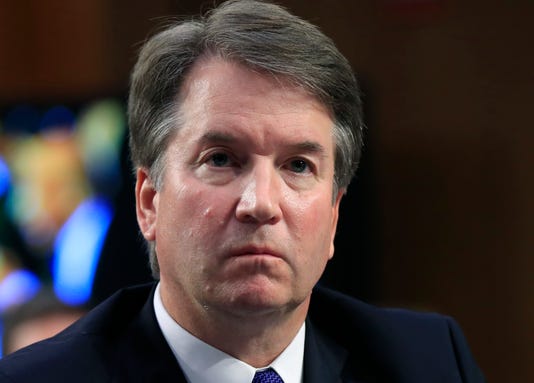
Image result for kavanaugh
Recent Supreme Court Justice Pick, Brett Kavanaugh, 2018
I am going to focus on Rwanda, where major strives have been initiated to end gender violence. An issue that is prominent in the United States, especially with our recent Supreme Court Justice pick, is sexual assault and violence against women. Generations of women have been begging for equal representation in government and social institutions within the United States. Rwanda leads the world in efforts to create societal gender equality, and yet, gender violence continues to directly contribute to the life and health of both men and women which result in immigration. In spite of these drawbacks, the United States may be able to learn a thing or two about putting systematic effort into obtaining gender equality.


Rwanda is known to set the pace against the fight to eliminate gender violence and promote gender equality at all levels of government, economic, and societal stages. For instance, Rwanda has the highest percentage of females represented in parliament. In comparison, in the United States, women represent 19% of parliament, where as in Rwanda, women represent more than half-- 64%. Across the board, Rwanda was the first country where their parliament included more women represented than men. This is refreshing, as the common narrative of government officials in the United States is dominated by the white, upper class, middle aged male. As seen through recent political events, it is clear that this narrative is favored among American politics. However, when only one perspective is represented in policy, only one demographic will flourish.


Image result for women protesting kavanaugh
"Handmaid's Tale" Protesters, 2018
Although both the United State and Rwanda stem from a systematic, patriarchal society, Rwanda has made considerable efforts to promote gender equality in hopes to end gender violence. In addition to representation in government, Rwanda currently ranks fifth out of 144 countries in efforts to reduce the gender gap, while the United States only ranks 49th. As shown in these reports, it is clear that Rwanda values political, economic, and social gender equality more than the United States does. However, it is definitely something Americans are currently fighting for, and an issue that needs to be severely addressed within our society.


Nevertheless, Rwanda’s improvements have not completely fixed all the gender violence issues within the country, nor has it improved every individual’s living circumstances. For this reason, many Rwandans have immigrated to the United States.


Although President Trump does not want this demographic in the United States, I do.


The first wave of immigration from Rwanda started during and following the 1994 genocide, where radical Hutu groups acted to eliminate Tutsi and Hutu modernists. Between 800,000 and 1 million people were killed during the 100 days of active genocide. In addition, 3 million people were uprooted from their homes and forced to flee into neighboring countries. Rwanda is dedicated to improving gender equality because during the genocide, thousands of women and girls were targeted. Gender-based violence was running rampant in Rwanda, it is estimated that somewhere between 250,000-500,000 women and girls survived rape during the genocide. These striking statistics stem from their initial oppression of women; women were confined to domestic work, and they were often discriminated against within the workplace and personal marriages. As a result, issues such as domestic abuse, sexual violence, and prostitution has increased in their communities.


Years following the genocide, Rwandan communities remained dangerous and tense. Many families and individuals fled the country to seek refuge elsewhere, and can you blame them? These immigrants are survivors and should be welcomed as such into the United States, not persecuted for coming from a “shithole” country, and then automatically labeled as a byproduct of such. This leaves refugees more vulnerable in their host country, especially when the President is condoning poor behavior towards this particular demographic. On the other hand, Rwanda is making progress towards becoming more accepting of refugees, adopting an open boarder strategy. Recently, Rwanda has started issuing machine readable travel documents to refugees. These documents ensure that refugees in the country will have access to public and private services, be able to move freely around the country, and be able to get a job. In fact, immigrant workers are contributing positively to the Rwanda’s economy-- their labor markets and public finance sectors have grown tremendously.


Yes, Rwanda has their own set of issues, just as the United States does. However, labeling them as Donald Trump has, perpetuates animosity towards refugee individuals and further incites racism. He is labeling not just the country itself, but all individuals from that country. Donald Trump sees them as deplorable, however refugees’ character and work ethic is remarkable. Many women come from these countries seeking security and safety, not because they hate their country or see it as any less impressive than the United States.


Overall, the United States could learn how to embrace gender equality by looking to Rwanda, a country whose immigrants Donald Trump has written off as undesirable. The Trump Administration is cracking down on immigration from countries whose people are predominately black such as Rwanda and Haiti because he thinks immigrants will have a poor impact on the United States. However, these individuals bring new ideas to the table, specifically on gender equality, and it is about time the United States listened. This country flourished because of the diversity of the melting pot, and there is always a need to learn from others in order to improve-- and trust me there is more than enough room for improvement in the United States in terms of women and immigration.


Article used from class: 

Torres, "FMO Thematic Guide: Gender and Forced Migration"

Additional sources: 


“A Partnership to End Gender-Based Violence | ONE UN Rwanda.” United Nations, United Nations, 19 June 2014, www.rw.one.un.org/press-center/success-story/partnership-end-gender-based-violence. 
Clerici, Caterina, and Eléonore Hamelin. “In Rwanda, Men and Women Switch Roles to Curb Domestic Abuse.” Time, Time, 9 Feb. 2018, time.com/5123681/rwanda-gender-equality/. 
Davis, Julie Hirschfeld, et al. “Trump Alarms Lawmakers With Disparaging Words for Haiti and Africa.” The New York Times, The New York Times, 11 Jan. 2018, www.nytimes.com/2018/01/11/us/politics/trump-shithole-countries.html. 
“Immigrant Workers Contribute Positively to Rwanda's Economy, Says New ILO-OECD Development Centre Report.” Immigrant Workers Contribute Positively to Rwanda's Economy, Says New ILO-OECD Development Centre Report - OECD, 28 Mar. 2018, www.oecd.org/countries/rwanda/immigrant-workers-contribute-positively-to-rwanda-economy.htm. 
Ohm, Rachel. “Rwandan Refugee in Knoxville Hurt but 'Not Surprised' by Trump Comments.” Knoxville News Sentinel, Knoxville, 13 Jan. 2018, www.knoxnews.com/story/news/local/2018/01/12/rwandan-refugee-knoxville-hurt-but-not-surprised-trump-comments/1029659001/. 
“Proportion of Seats Held by Women in National Parliaments (%).” Proportion of Seats Held by Women in National Parliaments (%) | Data, World Bank, 2018, data.worldbank.org/indicator/SG.GEN.PARL.ZS?name_desc=false. 
“Rwanda Starts Issuing Machine Readable Travel Documents to Refugees.” Rwanda Starts Issuing Machine Readable Travel Documents to Refugees - Xinhua | English.news.cn, 10 Oct. 2018, www.xinhuanet.com/english/2018-10/10/c_137523802.htm. 
Therese, Rudasingwa Messi. “Gender-Based Violence in Rwanda: Getting Everyone on Board.” Nasikiliza, 25 Apr. 2018, blogs.worldbank.org/nasikiliza/gender-based-violence-in-rwanda-getting-everyone-on-board.
“A Partnership to End Gender-Based Violence | ONE UN Rwanda.” United Nations, United Nations, 19 June 2014, www.rw.one.un.org/press-center/success-story/partnership-end-gender-based-violence.
Clerici, Caterina, and Eléonore Hamelin. “In Rwanda, Men and Women Switch Roles to Curb Domestic Abuse.” Time, Time, 9 Feb. 2018, time.com/5123681/rwanda-gender-equality/.
Davis, Julie Hirschfeld, et al. “Trump Alarms Lawmakers With Disparaging Words for Haiti and Africa.” The New York Times, The New York Times, 11 Jan. 2018, www.nytimes.com/2018/01/11/us/politics/trump-shithole-countries.html.
“Immigrant Workers Contribute Positively to Rwanda's Economy, Says New ILO-OECD Development Centre Report.” Immigrant Workers Contribute Positively to Rwanda's Economy, Says New ILO-OECD Development Centre Report - OECD, 28 Mar. 2018, www.oecd.org/countries/rwanda/immigrant-workers-contribute-positively-to-rwanda-economy.htm.
Ohm, Rachel. “Rwandan Refugee in Knoxville Hurt but 'Not Surprised' by Trump Comments.” Knoxville News Sentinel, Knoxville, 13 Jan. 2018, www.knoxnews.com/story/news/local/2018/01/12/rwandan-refugee-knoxville-hurt-but-not-surprised-trump-comments/1029659001/.
“Proportion of Seats Held by Women in National Parliaments (%).” Proportion of Seats Held by Women in National Parliaments (%) | Data, World Bank, 2018, data.worldbank.org/indicator/SG.GEN.PARL.ZS?name_desc=false.
“Rwanda Starts Issuing Machine Readable Travel Documents to Refugees.” Rwanda Starts Issuing Machine Readable Travel Documents to Refugees - Xinhua | English.news.cn, 10 Oct. 2018, www.xinhuanet.com/english/2018-10/10/c_137523802.htm.
Therese, Rudasingwa Messi. “Gender-Based Violence in Rwanda: Getting Everyone on Board.” Nasikiliza, 25 Apr. 2018, blogs.worldbank.org/nasikiliza/gender-based-violence-in-rwanda-getting-everyone-on-board.


Searching For Identity in the Face of Survival: Overcoming Breast Cancer in a Patriarchal Society

Photo Source: https://www.familycircle.com/health/concerns/cancer/is-it-breast-cancer/ Staring up at the lump seen on your mammogra...